
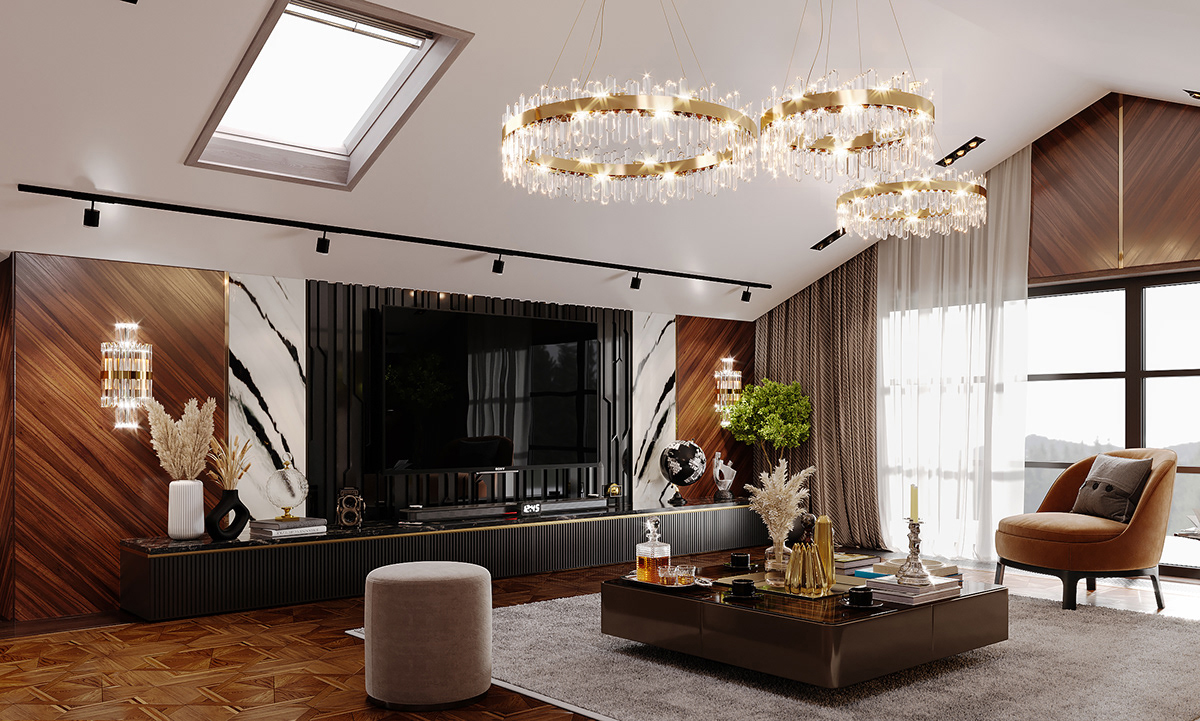
Lighting is one of the most important elements of a well-designed home. It can highlight architectural details, create a comfortable atmosphere, define different zones, and completely change the way furniture, colours, and materials appear. In a luxury home, lighting is not simply about making a room brighter. It is about creating the right experience.
For homeowners exploring luxury lighting design in Bangalore, the focus is increasingly shifting toward layered, functional, and visually refined lighting solutions. From statement fixtures and concealed lighting to carefully positioned task lights, every element has a role to play.
At Gruhanza, lighting is considered an integral part of the interior design process. With more than 21 years of experience, 252+ homes delivered, and a team of 47+ designers, Gruhanza creates personalized interiors where lighting works together with space planning, furniture, materials, and architecture.
Why Lighting Matters in Luxury Interiors
A beautifully designed room can lose its impact when the lighting is poorly planned. Similarly, a relatively simple space can feel sophisticated when the lighting has been thoughtfully designed.
Good lighting can:
- Highlight important architectural features
- Create visual depth
- Make spaces feel more comfortable
- Improve functionality
- Enhance colours and materials
- Define different areas within an open layout
- Create different moods throughout the day
The best lighting plans combine aesthetics with everyday practicality.
1. Layered Lighting Creates Depth
One of the defining characteristics of luxury lighting design is the use of multiple lighting layers rather than relying on a single source.
A well-planned room can combine three main types of lighting.
Ambient Lighting
Ambient lighting provides general illumination throughout the room. Ceiling lights, recessed fixtures, and carefully planned indirect lighting can provide the basic level of brightness.
Task Lighting
Task lighting is designed for specific activities. Kitchen counters, study desks, dressing areas, and reading corners all benefit from focused illumination.
Accent Lighting
Accent lighting draws attention to particular features such as artwork, textured walls, display shelves, architectural elements, or decorative objects.
Combining these layers creates a more sophisticated and flexible interior.
2. Statement Lighting Can Become a Focal Point
A carefully selected statement light can become one of the most noticeable features in a room.
A sculptural pendant above a dining table, an elegant chandelier in the living room, or a distinctive fixture in the entrance can establish the character of the space.
However, statement lighting should always be selected according to the size and proportions of the room. A fixture that is too large can overwhelm the space, while one that is too small may lose its visual impact.
3. Cove Lighting Adds a Soft Glow
Cove lighting is widely used in contemporary luxury interiors because it creates indirect illumination without making the light source itself the main focus.
Integrated into false ceilings, niches, or architectural details, concealed lighting produces a soft glow that adds depth to the room.
It works particularly well in:
- Living rooms
- Bedrooms
- Dining areas
- Home theatres
- Corridors
Cove lighting can also be combined with other fixtures to create different levels of illumination.
4. Living Room Lighting Should Be Flexible
The living room serves several purposes throughout the day. It may be used for conversations, entertaining guests, relaxing, watching television, or spending time with family.
For this reason, the lighting should offer flexibility.
A combination of ceiling lighting, accent lights, wall fixtures, floor lamps, and concealed lighting can create different atmospheres depending on the occasion.
Feature walls and artwork can also be highlighted with focused lighting to create visual interest.
5. Kitchen Lighting Should Prioritize Functionality
A luxury kitchen needs beautiful lighting, but functionality should remain the priority.
Work surfaces should have sufficient illumination so that cooking and food preparation can be performed comfortably.
Useful lighting areas include:
- Countertops
- Kitchen islands
- Breakfast counters
- Pantry areas
- Cabinet interiors
Under-cabinet lighting can provide additional illumination while also adding a refined visual layer to the kitchen.
6. Bedroom Lighting Should Feel Calm
Bedrooms require a different lighting approach.
Instead of bright, uniform illumination, the focus should be on creating a relaxed environment.
Warm ambient lighting, bedside fixtures, concealed ceiling lights, and wardrobe lighting can provide the right combination of comfort and functionality.
Dimmable lighting can be particularly useful because brightness can be adjusted according to the time of day and activity.
7. Highlight Architectural Features
Luxury interiors often contain carefully crafted architectural elements that deserve attention.
Lighting can be used to highlight:
- Textured walls
- Wooden panels
- Decorative niches
- Artwork
- Sculptures
- Staircases
- Ceiling details
- Display units
This creates depth and allows individual design elements to become part of the overall visual composition.
8. Use Lighting to Define Open Spaces
Modern Bangalore homes often feature open-plan living and dining areas.
Without thoughtful planning, these large spaces can feel visually flat.
Lighting can help establish separate zones without using physical partitions.
For example, pendant lighting can define a dining area, while layered ceiling and accent lighting can distinguish the living space.
This creates visual separation while maintaining an open and connected floor plan.
9. Choose the Right Colour Temperature
The colour temperature of lighting affects the atmosphere of a room.
Warmer lighting generally creates a comfortable and welcoming environment, making it suitable for living rooms, bedrooms, and dining areas.
More neutral lighting can be useful in areas where accurate visibility is important, such as kitchens, study spaces, and work areas.
Rather than using the same lighting throughout the home, the colour temperature should be selected according to the purpose of each space.
10. Integrate Lighting With the Interior Design
One of the biggest mistakes homeowners make is treating lighting as a finishing decision.
Lighting should be considered while planning the interiors.
Its placement depends on:
- Furniture positioning
- False ceiling design
- Electrical points
- Wall treatments
- Cabinet layouts
- Artwork
- Architectural features
When lighting is planned at the same time as the interiors, fixtures can be integrated seamlessly rather than added later.
11. Smart Lighting for Modern Homes
Technology has also changed the way homeowners interact with lighting.
Smart lighting systems can provide greater control over brightness, timing, and lighting scenes.
Depending on the requirements of the home, homeowners can create different settings for activities such as:
- Entertaining guests
- Watching movies
- Dining
- Reading
- Relaxing
- Sleeping
The objective is not simply to add technology but to make the lighting experience more convenient and adaptable.
12. Don’t Ignore Natural Light
Luxury lighting design isn’t limited to artificial lighting.
Natural daylight should be considered an important part of the overall lighting strategy.
Large windows, appropriate curtains, reflective surfaces, and thoughtful furniture placement can help make better use of daylight.
During the evening, artificial lighting can then take over and create a completely different ambience.
The combination of natural and artificial light creates interiors that feel dynamic throughout the day.
How Gruhanza Approaches Luxury Lighting Design
At Gruhanza, lighting is treated as part of the larger interior design concept rather than an isolated feature.
Our designers consider the architecture, furniture, colour palette, materials, storage, and lifestyle requirements before developing a lighting plan.
This approach helps create interiors where every light serves a purpose.
Whether it is a dramatic chandelier in the living room, subtle cove lighting in the bedroom, task lighting in the kitchen, or accent lighting for a feature wall, the objective is to achieve a balance between elegance and functionality.
With 21+ years of experience, 252+ homes delivered, and 47+ designers, Gruhanza brings design expertise and detailed planning to every residential project.
Tips for Planning Luxury Lighting in Your Home
Before finalizing your lighting plan, consider these points:
- Plan lighting along with the interior layout.
- Use multiple layers instead of one central light.
- Match lighting to the purpose of each room.
- Highlight important architectural features.
- Consider the scale of statement fixtures.
- Use warm lighting where a relaxed atmosphere is desired.
- Include adequate task lighting in functional areas.
- Make use of natural daylight.
- Consider dimming and smart controls where appropriate.
- Prioritize both aesthetics and usability.
Conclusion
Luxury lighting design in Bangalore is about much more than selecting attractive light fixtures. It involves understanding how light interacts with architecture, furniture, materials, colours, and the way people use their homes.
From layered ceiling lighting and elegant chandeliers to concealed illumination and smart controls, every element can contribute to a more refined living environment.
At Gruhanza, we combine more than two decades of interior design experience with personalized planning and craftsmanship to create homes where lighting enhances every detail. The result is an interior that feels comfortable during everyday life, impressive when entertaining, and timeless in its overall appearance.
The right lighting doesn’t simply illuminate a luxury home. It brings the entire design together.
