
Bangalore’s Homes are Evolving — 2025 Luxury Interior Design Trends
Bangalore’s homes are evolving, and homeowners are seeking premium interiors that are well-suited to the local climate. As we have already completed half of 2025, a new wave of trends is redefining what “luxury interior” means in the city, characterised by warm textures, bold forms, seamless technology, sustainable materials, and a deeper connection to nature.
In this blog, we’ll walk you through the top luxury home decor trends you’ll see across premium homes in Bangalore. More than just pretty looks, these trends address real issues, such as how to manage humidity, maximise small spaces, balance natural light & privacy, and source materials that last.
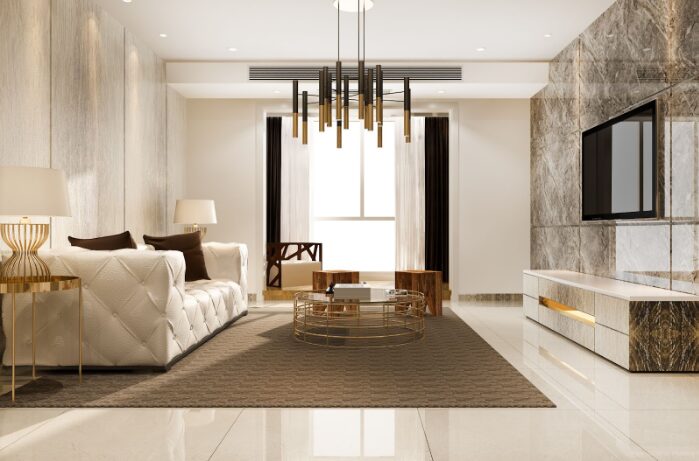
1. Spaces for Mono-Material and Material Drenching
What it is:
To create coherence, drama, and visual flow, interior designers now “drench” a complete room — including the walls, ceiling, trim, and even furniture — in one material, such as wood, plaster, or stone, rather than combining a variety of materials.
Why it’s popular:
It produces a strong sense of visual calm, fewer abrupt transitions, and an immersive bespoke luxury interior design experience.
How to apply this in Bangalore homes:
- Use a uniform wood tone (like teak or engineered wood) across walls, cabinets, and floors.
- Choose moisture-resistant plaster or Venetian finishes that are sealed.
- Break monotony with accents made of cloth, glass, or metal.
- In smaller spaces, use lighter wood tones to avoid heaviness.
2. Nature-Infused Interiors (Biophilic Design)
What it is:
Using living walls, daylight, natural textures, greenery, and spaces that evoke a sense of being close to nature.
Why it’s strong:
It enhances visual tranquility, air quality, and well-being. Biophilic design ranks among the top priorities in Indian home trend analyses.
How to adapt this for Bangalore homes:
- Use hardy indoor plants like monstera, pothos, and ferns that thrive in humidity.
- Add vertical gardens on walls or balconies (using modular setups).
- Include terracotta, stone, cane, and jute accents.
- Incorporate skylights or clerestory windows to maximise daylight.
3. Organic Forms & Curves
What it is:
Soft-edged, arc-shaped, and fluted furniture, architectural features, and decorative items.
How to use in Bangalore homes:
- Try an arched entryway, circular coffee table, or curved sofa.
- Add fluted wooden panels or curved wall detailing.
- Use rugs or carpets with natural, fluid designs.
- Balance curves with straight components for harmony.
4. Bold Textures & Statement Walls
What it is:
Using textured plaster, layered veneers, relief surfaces, wood panels, and sculptural walls instead of flat wall paint.
Why it’s popular:
It adds depth, tactile richness, and dramatic shadow play to interiors.
How to use in Bangalore homes:
- Try stone cladding (moisture-sealed), Venetian plaster, or microcement finishes.
- Use MDF support behind wooden panels to prevent warping.
- Select smooth textures to avoid dust accumulation.
- Limit textured finishes to one accent wall per room.
5. Statement Lighting & Sculptural Fixtures
What it is:
Lighting fixtures are no longer just functional — they’re art pieces, including oversized pendants, brass chandeliers, and layered ambient, accent, and task lighting.
Why it matters:
Lighting influences how finishes, colours, and textures appear. Indian interior trends identify statement lighting as a must-have feature.
How to do it in Bangalore homes:
- Choose humidity-resistant metals (brass or powder-coated finishes).
- Layer ambient and indirect lighting for a soft glow.
- Use dimmers and warm colour temperature control.
- Support local artisans — use handcrafted lighting fixtures for uniqueness.
6. Sustainable & Artisan Luxury
What it is:
Using eco-conscious materials (reclaimed wood, FSC-certified timber, low-VOC paints) and including handcrafted local artisan pieces (furniture, decor, textiles).
Why it’s trending:
Luxury clients are increasingly seeking sustainability and ethical craftsmanship in design.
How to adapt this for Bangalore homes:
- Source from Karnataka artisans — like Channapatna toys, rosewood, or local stone.
- Repurpose reclaimed doors, beams, or vintage decor.
- Use eco paints suited for humid climates.
- Highlight the story behind each handcrafted piece for brand appeal.
7. Smart & Hidden Technology Integration
What it is:
Smart home technology is seamlessly integrated into the interior — ensuring lighting, blinds, HVAC, and audio systems stay invisible yet functional.
Why it’s trending:
Smart features are expected but should not disrupt the aesthetics of a premium home.
How to integrate this in Bangalore homes:
- Motorised blinds concealed within ceilings.
- Recessed lighting with motion sensors.
- Hidden speakers built into wall panels.
- Smart humidity control and fan systems for comfort.
- Use modular systems for easy upgrades in the future.
Conclusion
These trends aren’t just visual — they respond to the needs of Bangalore homes in 2025: resilience during monsoon, balance between light and shade, warmth without heaviness, technology without clutter, and meaningful luxury with a story behind every design element.
